
China and the Ban on Western Cybersecurity Software
According to international media reports, Chinese companies and institutions have been instructed to limit or stop using foreign security solutions, especially those that have deep access to internal systems. These are technologies that monitor network traffic, endpoint behavior, user activity, or privileged account management.

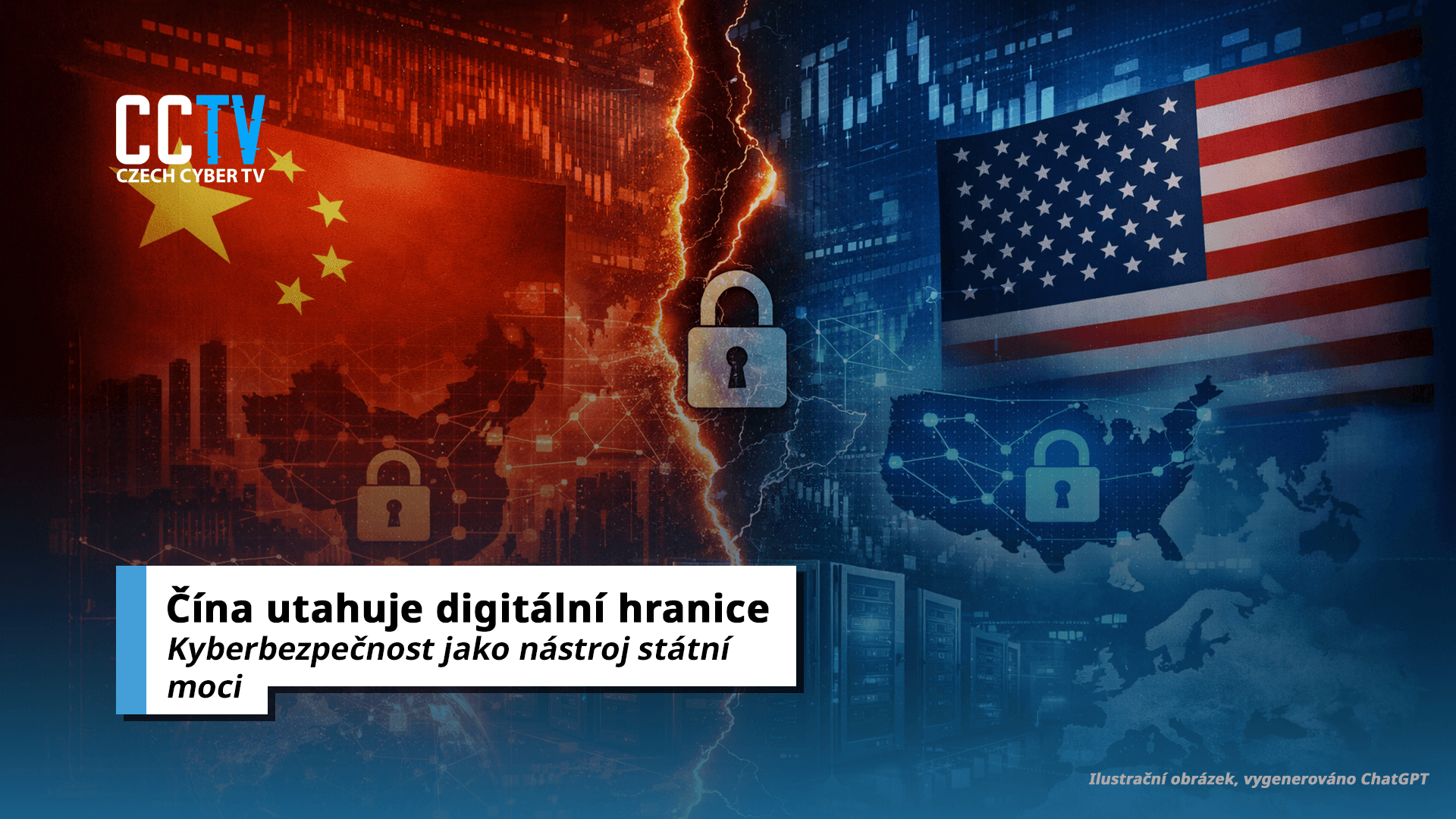
The report that China is restricting or directly banning the use of selected American and Israeli cybersecurity software may at first glance seem like another episode of geopolitical tension. On closer inspection, however, it is not an isolated decision or a technical detail. Rather, it becomes clear that cybersecurity has definitively moved out of the IT department into the domain of state power, politics, and strategic governance.
What actually happened
According to international media reports, Chinese companies and institutions have been instructed to limit or stop using foreign security solutions, especially those that have deep access to internal systems. These are technologies that monitor network traffic, endpoint behavior, user activity, or privileged account management.
Names such as Palo Alto Networks, CrowdStrike, Fortinet, Check Point Software or CyberArk have appeared in the media. These are not marginal products, but tools that in many organizations form the very core of security architecture.
Why security tools are a problem
Cybersecurity software by its nature occupies a privileged position. It looks inside infrastructure, works with sensitive data, analyzes traffic and often has permissions that no other application possesses. From the state's perspective, the crucial question is therefore who develops this software, where they are based and what legal obligations they are subject to.
The Chinese argument rests on the concern that a foreign manufacturer may be—knowingly or unknowingly—subject to pressure from its own state authorities. Even without concrete evidence, this creates an assumed risk. It's not that the software is automatically considered malicious, but that it is not fully under the control of domestic jurisdiction.
Cyber sovereignty as a strategic goal
The decision fits into the long-term concept of cyber and technological sovereignty. China is systematically trying to reduce dependence on foreign technologies and strengthen its own ecosystem—from hardware through operating systems to security tools.
In this view, digital infrastructure is not a neutral space but a strategic territory that should be protected much like energy or the defense industry. Cybersecurity then is not just protection against hackers, but a tool of state control and stability.
Parallels elsewhere in the world
Crucially, China is not an exception in this regard. A similar logic can be observed in Western countries, where Chinese technologies are being restricted in telecommunications, public administration or critical infrastructure. The difference is often only in who is considered a risk by whom.
The result is a gradual splitting of the technological world into separate blocs. Instead of a single global market, an environment is emerging where technologies are evaluated not only by functionality but also by geopolitical origin.
What this means for the future of cybersecurity
This development fundamentally changes how cybersecurity is thought about. Security tools cease to be seen as purely technical solutions and become part of a broader political and legal framework. The choice of a supplier can thus become a strategic decision with impacts on interoperability, long-term sustainability and regulatory compliance.
Market fragmentation may lead to limited compatibility between regions, more complex architectures and higher costs. At the same time, it increases pressure to develop local solutions and regional ecosystems.
A signal worth paying attention to
China's ban on Western cybersecurity software is not about a few specific companies or a single country. It is a symptom of a deeper transformation of the digital world, where technology, security and geopolitics are increasingly intertwined.
It shows that the era of implicit trust in global technology supply chains is ending. The digital space is beginning to be governed by the same rules as geopolitics—with borders, blocs and limited trust. And that may be the most important message of the whole story.